💫12 Home Remedies for Neuropathy in Legs and Feet: 🔥 (Natural Support for Nerve Comfort) Explore easy home remedies, lifestyle suggestions, and natural methods that may assist in promoting nerve health, enhancing comfort, and fostering improved wellness for your legs and feet!💫
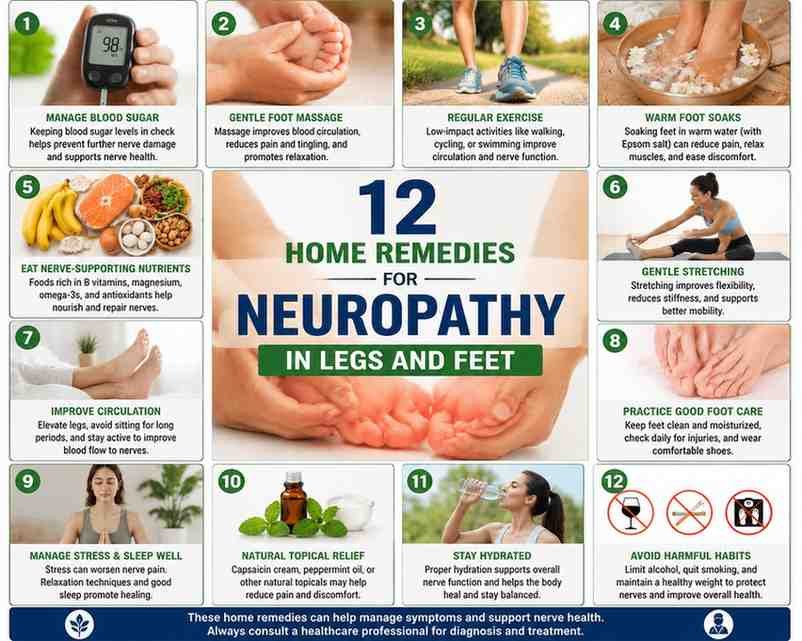

Neuropathy affecting the legs and feet is a prevalent issue that impacts the nerves responsible for sensation, movement, and communication between the brain and the lower extremities.
Many individuals report experiencing symptoms such as tingling, numbness, burning sensations, heightened sensitivity, or discomfort in their feet and legs.
Peripheral neuropathy generally develops over time and may be associated with various factors, including diabetes, nutritional deficiencies, specific medications, alcohol consumption, aging, or physical injuries.
Since nerve health is influenced by numerous factors, adopting healthy habits, maintaining proper nutrition, and engaging in gentle self-care practices may enhance overall comfort and daily functionality.
Although home remedies cannot substitute for medical treatment or reverse nerve damage in all cases, many natural strategies can help promote circulation, alleviate discomfort, and encourage healthier lifestyle choices. Pairing these methods with advice from a healthcare professional may yield better long-term nerve support.
This guide delves into 12 home remedies for neuropathy in the legs and feet, along with actionable tips to enhance nerve health and overall wellness.
What Is Neuropathy in Legs and Feet?
Neuropathy signifies damage or dysfunction of the peripheral nerves, which are the nerves located outside the brain and spinal cord. These nerves play a crucial role in controlling sensation, muscle movement, and communication throughout the body.
When these nerves are irritated or damaged, the communication between the brain and the feet or legs may become disrupted. This can lead to unpleasant sensations like tingling, burning, weakness, or decreased sensitivity.
Peripheral neuropathy typically impacts the feet first, as the longest nerves in the body extend to the lower limbs. As the condition advances, symptoms may gradually rise toward the legs.
Various forms of neuropathy can affect the body differently. Some individuals primarily experience sensory symptoms, while others may notice muscle weakness or balance issues.
Common Symptoms of Neuropathy in Legs and Feet
Neuropathy symptoms can differ from one person to another. Some common indicators include:
Tingling or Pins-and-Needles Sensations
Many individuals describe neuropathy as a series of small electric shocks, tingling, or a crawling feeling in the feet or toes. These sensations might fluctuate or become more pronounced at night.
Burning or Sharp Nerve Discomfort
A burning sensation in the feet is among the most commonly reported symptoms of neuropathy. Some people may also feel sharp, stabbing, or shooting pains.
Numbness or Reduced Sensitivity
Changes in nerve function may diminish the ability to sense temperature, pressure, or touch. Decreased sensation in the feet can heighten the risk of unnoticed injuries.
Muscle Weakness
When motor nerves are impacted, some individuals may experience weakness in their legs or find it challenging to move and maintain balance.
Balance Problems
Alterations in sensation from the feet can disrupt coordination, making it more difficult for some individuals to walk or stand.
What Causes Neuropathy in Legs and Feet?
A variety of factors can lead to nerve issues in the lower body. Recognizing potential causes can assist individuals in making beneficial lifestyle adjustments.

Diabetes
Diabetes is a leading factor in the development of peripheral neuropathy. Over time, elevated blood sugar levels can damage the small blood vessels that deliver essential nutrients and oxygen to the nerves.
Keeping blood sugar levels in check through a balanced diet, regular exercise, prescribed medications, and consistent monitoring can help maintain nerve health.
Vitamin Deficiencies
Certain vitamins are crucial for proper nerve function. Insufficient levels of nutrients like vitamin B12 can lead to nerve-related issues in some people.
A well-rounded diet along with proper nutritional advice can help ensure that the body gets the vital vitamins and minerals it needs.
Aging
As individuals grow older, natural changes in the nervous system can influence nerve function. Leading an active lifestyle and adopting healthy habits can promote mobility and overall health.
Alcohol Consumption
Heavy alcohol consumption can negatively impact nerve health and lead to nutritional deficiencies that affect the nervous system.
Certain Medications
Some medications may have side effects that impact nerve function. Anyone noticing new symptoms should consult with their healthcare provider.
Injuries or Pressure on Nerves
Physical injuries, repetitive strain, or pressure on nerves can lead to discomfort in some cases.
12 Home Remedies for Neuropathy in Legs and Feet
1. Maintain Healthy Blood Sugar Levels
For those dealing with diabetes-related neuropathy, controlling blood sugar levels is crucial for promoting nerve health.
Persistently high blood glucose can damage nerve structure and circulation over time. Keeping blood sugar in a healthy range may help shield nerves from further strain.
Beneficial practices may include:
- Consuming balanced meals rich in fiber
- Opting for healthy carbohydrate choices
- Staying active
- Adhering to medical advice
- Regularly monitoring blood glucose levels
Maintaining healthy blood sugar levels can enhance overall nerve function and alleviate factors that lead to nerve discomfort.
2. Consider a Gentle Foot Massage
A soothing foot massage can promote relaxation and enhance comfort in your feet and legs.
Massage can stimulate circulation, relieve muscle tension, and offer temporary relief from stiffness or discomfort. It's crucial to apply gentle pressure, particularly for those with diminished foot sensation.
Here are some effective techniques:
- Employing slow circular motions
- Massaging both the soles and tops of the feet
- Using a moisturizing lotion to combat dryness
- Steering clear of excessive pressure on sensitive spots
Individuals experiencing severe numbness or circulation issues should seek advice from a healthcare professional before trying massage techniques.
3. Engage in Regular Low-Impact Exercise
Staying physically active is vital for promoting circulation, building muscle strength, and enhancing overall health.
Low-impact exercises can be particularly beneficial as they facilitate movement without putting too much strain on the feet.
Some examples include:
- Walking
- Swimming
- Cycling
- Stretching exercises
- Gentle yoga
Consistent movement can enhance blood circulation to the legs and aid in maintaining flexibility and balance.
For those who feel discomfort while exercising, starting slowly and gradually increasing activity levels may be advantageous.
4. Enjoy Warm Foot Soaks
A warm foot soak is a cherished home remedy that can help soothe muscles and provide temporary relief.
Soaking your feet in warm water can enhance relaxation and boost circulation. Some individuals choose to add Epsom salt, although scientific support for its specific benefits in treating neuropathy is limited.
A basic foot soak can consist of:
- Warm (not hot) water
- A soothing soaking temperature
- Relaxation for about 10–15 minutes
Individuals with decreased sensation should exercise caution, as they may not feel if the water is too hot, which could lead to burns.
5. Boost Your Intake of Nerve-Supporting Nutrients
A well-balanced diet is crucial for maintaining healthy nerves. The body needs various vitamins, minerals, and antioxidants to support proper nerve function and overall health.
Consuming a nutrient-dense diet can help supply the essential components required for effective nerve communication.
Key nutrients that promote nerve health include:
Vitamin B12
Vitamin B12 is essential for maintaining healthy nerve cells and supporting normal nervous system function. Insufficient levels of vitamin B12 may lead to nerve-related symptoms in some people.
Sources of vitamin B12 include:
- Fish
- Eggs
- Dairy products
- Lean meats
- Fortified foods
Those on restrictive diets should consider consulting a healthcare professional about their nutritional requirements.
Vitamin B6
Vitamin B6 plays a crucial role in nerve signaling and cognitive function. However, excessive intake of vitamin B6 supplements can adversely affect nerve health, so it’s important to use them judiciously.
Magnesium
Magnesium is essential for muscle and nerve function. Foods that are high in magnesium include:
- Nuts
- Seeds
- Leafy green vegetables
- Whole grains
Omega-3 Fatty Acids
Omega-3 fatty acids can help maintain a healthy balance of inflammation and support cardiovascular health, both of which are vital for good circulation.
Good sources of Omega-3s include:
- Salmon
- Sardines
- Walnuts
- Flaxseeds
- Chia seeds
Adopting a balanced diet that includes a diverse range of whole foods can offer comprehensive nutritional support for nerve health.
6. Incorporate Gentle Stretching Exercises
Engaging in stretching can enhance flexibility, boost mobility, and alleviate muscle tightness that may lead to discomfort in the legs and feet.
Basic stretching routines can include:
Calf Stretch
Calf stretches can help relax the muscles in the lower legs and promote improved movement.
Foot Stretch
Flexing the toes, rotating the ankles, and gently stretching the feet can aid in maintaining flexibility.
Hamstring Stretch
Keeping the hamstring muscles flexible can support smooth and comfortable movement.
Regular stretching can be particularly beneficial for individuals who sit for extended periods or have limited mobility.
Always approach stretching with care. It’s best to steer clear of movements that lead to sharp pain or heightened discomfort.
7. Enhance Circulation Through Healthy Daily Practices
Good circulation is vital since nerves depend on oxygen and nutrients delivered via the bloodstream.
Incorporating certain daily habits can promote improved blood flow to your legs and feet.
Here are some beneficial practices:
- Limit prolonged sitting in one position
- Stay active throughout the day
- Elevate your legs while resting
- Engage in regular physical activity
- Keep a healthy weight
Inadequate circulation can intensify sensations of coldness, numbness, or discomfort in the lower legs.
Making small, consistent lifestyle adjustments can enhance overall circulation.
8. Adopt Supportive Foot Care Routines
Individuals dealing with neuropathy need to be particularly vigilant about foot care, as reduced sensation can make it difficult to detect injuries.
Here are some useful foot care habits:
Inspect Feet Daily
Check your feet for:
- Cuts
- Blisters
- Redness
- Swelling
- Skin changes
Keep Feet Clean and Dry
Regularly washing your feet and thoroughly drying between your toes can help keep your skin healthy.
Choose Comfortable Footwear
Wearing supportive shoes can alleviate pressure points and enhance walking comfort.
Steer Clear of Going Barefoot
Walking without shoes can heighten the chances of stepping on sharp objects or incurring unnoticed injuries.
Regular foot care is crucial, particularly for individuals experiencing nerve issues related to diabetes.
9. Handle Stress and Focus on Quality Sleep
Elevated stress and inadequate sleep can impact the body's ability to manage discomfort and affect overall health.
When under persistent stress, muscle tightness and sensitivity may rise. Cultivating relaxation techniques can enhance daily comfort.
Methods for managing stress may include:
- Deep breathing techniques
- Mindfulness meditation
- Gentle stretching exercises
- Enjoying time in nature
- Establishing relaxation rituals before sleep
Adequate sleep is vital for the body’s restorative processes.
Effective sleep practices include:
- Maintaining a consistent sleep routine
- Creating a restful sleep environment
- Reducing screen time before bed
- Avoiding heavy meals close to bedtime
Improved sleep habits can enhance energy, mood, and overall health.
10. Explore Natural Topical Comfort Solutions
Many individuals incorporate topical products into their self-care routines to alleviate temporary discomfort in areas affected by nerve pain.
Commonly used ingredients in these topical formulations include:
Capsaicin
Capsaicin, extracted from chili peppers, is often found in topical treatments aimed at alleviating nerve-related discomfort.
It may affect nerve signaling pathways linked to sensations of discomfort.
Essential Oils
Many people utilize diluted essential oils like peppermint or lavender for relaxation and massage purposes.
It’s crucial to ensure that essential oils are properly diluted and tested, particularly on sensitive skin.
While topical applications can offer temporary relief for some, they should not substitute for professional medical advice.
11. Stay Hydrated
Staying well-hydrated is vital for numerous bodily functions, including circulation and the transport of nutrients.
Dehydration can lead to issues like muscle cramps, fatigue, and discomfort.
Here are some helpful hydration tips:
- Drink plenty of water throughout the day
- Incorporate water-rich foods into your diet
- Limit excessive alcohol consumption
Foods that are high in water content include:
- Cucumbers
- Watermelon
- Oranges
- Lettuce
Keeping hydrated is a straightforward habit that promotes overall wellness.
12. Avoid Habits That May Harm Nerve Health
Certain lifestyle choices can adversely affect circulation and nerve function.
Making constructive changes can help promote long-term nerve health.
Limit Alcohol Intake
High levels of alcohol consumption can lead to nerve issues and nutritional deficiencies.
Cutting back on alcohol may enhance nerve function.
Stop Smoking
Smoking can impact blood vessels and circulation, which may hinder oxygen delivery throughout the body.
Quitting smoking can lead to improved cardiovascular and nerve health.
Maintain a Healthy Weight
Carrying excess weight can put additional strain on your joints, hinder mobility, and lead to various metabolic issues.
Eating a well-rounded diet and engaging in regular physical activity can aid in maintaining a healthy weight management.
Foods That May Aid in Neuropathy Management
Although no single food can cure neuropathy, a nutritious diet can offer essential nutrients that promote overall nerve health.

Leafy Green Vegetables
Greens like spinach, kale, and broccoli are packed with vitamins, minerals, and antioxidants that promote overall wellness.
Berries and Vibrant Fruits
Fruits that are high in antioxidants can help bolster the body’s natural defenses against oxidative stress.
Nuts and Seeds
Nuts and seeds are excellent sources of healthy fats, magnesium, and other nutrients that contribute to overall health.
Fatty Fish
Fish like salmon and sardines are rich in omega-3 fatty acids, which are beneficial for heart and circulatory health.
Whole Grains
Whole grains are a great source of fiber and vital nutrients that support a balanced diet.
Lean Protein Sources
Protein is essential for providing amino acids necessary for tissue repair and overall bodily functions.
Lifestyle Habits That May Enhance Nerve Health
Alongside home remedies, adopting certain daily habits can promote better nerve health.
Stay Active
Regular physical activity enhances circulation, strength, and mobility.
Even brief walks or gentle exercises can be beneficial when done consistently.
Keep Up with Regular Medical Checkups
Regular health check-ups can help uncover hidden issues that might lead to neuropathy.
Keeping track of conditions like diabetes, vitamin deficiencies, and circulation issues can aid in more effective management.
Take Care of Your Feet
Wearing comfortable shoes, conducting regular foot checks, and maintaining good hygiene can help lower the risk of foot problems.
Maintain a Nutritious Diet
A well-balanced diet rich in nutrients provides the essential vitamins and minerals necessary for overall wellness.
Factors That May Exacerbate Neuropathy Symptoms
Certain elements might heighten nerve discomfort for some people.
These can include:
- Uncontrolled blood sugar levels
- Insufficient physical activity
- High alcohol intake
- Smoking habits
- Lack of essential nutrients
- Wearing ill-fitting shoes
- Neglecting foot injuries
Recognizing personal triggers and adopting supportive lifestyle changes may enhance daily comfort.
Medical Approaches to Neuropathy
While home remedies can offer relief, some neuropathy cases necessitate professional assessment and treatment.
Healthcare providers may suggest methods such as:
- Addressing underlying health issues
- Medications for nerve pain
- Therapeutic exercises
- Nutritional guidance
- Changes in lifestyle
Treatment options depend on the root cause, severity, and individual health circumstances.
If you're experiencing new, worsening, or unexplained nerve symptoms, it's essential to reach out to a healthcare professional.
When Should You Consult a Doctor?
It's crucial to seek medical attention if you notice:

- Sudden numbness or weakness
- Challenges with walking
- Loss of stability
- Intense or worsening pain
- Foot injuries that are slow to heal
- Symptoms that interfere with daily activities
Getting an early assessment can help pinpoint potential causes and suitable management strategies.
Final Thoughts
Neuropathy in the legs and feet can significantly impact daily comfort, mobility, and overall quality of life. While nerve issues may stem from various sources, embracing healthy lifestyle practices can enhance overall well-being and aid in daily management.
The 12 home remedies for neuropathy in the legs and feet outlined in this guide include keeping blood sugar levels stable, consuming nutrient-dense foods, engaging in regular exercise, ensuring proper foot care, enhancing circulation, managing stress, and steering clear of habits detrimental to nerve health.
While these strategies may provide comfort, they should complement professional medical guidance, particularly for those with diabetes or other underlying health issues.
Establishing consistent healthy habits can be vital in supporting the body's natural functions and ensuring long-term nerve health.
Frequently Asked Questions (FAQs)
Can home remedies cure neuropathy in the legs and feet?
While home remedies may not provide a definitive cure for neuropathy, adopting healthy habits, maintaining good nutrition, exercising regularly, and taking care of your feet can contribute to better nerve health and help alleviate discomfort.
What is the most effective natural remedy for neuropathy?
There isn’t a one-size-fits-all solution. A blend of nutritious eating, consistent physical activity, foot care, stress reduction, and professional medical advice may offer the most comprehensive support.
Can walking alleviate neuropathy in the feet?
Walking can enhance blood circulation, preserve muscle strength, and promote mobility. Nonetheless, exercise should be tailored to each person's comfort level and capabilities.
Are vitamins beneficial for neuropathy?
Certain vitamins, particularly vitamin B12 and other vital nutrients, play a key role in maintaining proper nerve function. Individuals with deficiencies might find relief through appropriate nutritional supplementation.
Can massage alleviate neuropathy symptoms?
Gentle massage may offer temporary relief and relaxation for some individuals. Those with diminished sensation should proceed with caution to prevent injury.
Does neuropathy always worsen over time?
Not necessarily. The advancement of neuropathy is influenced by its underlying cause, lifestyle choices, and management approaches.
.
About the Author