
 Disclaimer | Fact Check | Research-Based
Today, growing interest in the benefits of cloves sexually for males has encouraged men to explore whether this everyday spice can naturally support libido, sexual performance, testosterone levels, and overall reproductive wellness.
Cloves contain several biologically active compounds, including eugenol, flavonoids, and polyphenols. These natural substances have attracted scientific attention for their antioxidant and anti-inflammatory properties. Some preliminary animal studies have also explored how clove extracts affect sexual behavior and reproductive function.
But can cloves genuinely improve erections, increase sexual stamina, or enhance testosterone production? The answer is more complicated than popular claims suggest. Although early research offers interesting possibilities, strong clinical evidence demonstrating these sexual benefits in humans is still lacking.
Understanding what cloves can potentially do, how to consume them safely, and where scientific evidence remains uncertain can help men make better decisions about their sexual health.
In this guide, we’ll explore 12 potential sexual health benefits of cloves for men, their nutritional properties, how to use them, and practical ways to incorporate this traditional spice into a healthy lifestyle.
Cloves and Male Sexual Health: Quick Overview
| Topic | Key Information |
|---|---|
| Botanical Name | Syzygium aromaticum |
| Common Name | Cloves |
| Main Active Compound | Eugenol |
| Other Plant Compounds | Flavonoids, polyphenols, and tannins |
| Traditional Use | Vitality, digestion, and general wellness |
| Potential Sexual Benefits | Libido, reproductive health, and circulatory support |
| Testosterone Effects | Preliminary animal research; unproven in humans |
| Erectile Function | No established clinical benefit |
| Sperm Health | Mixed findings from experimental studies |
| Common Consumption Methods | Cooking, clove tea, and culinary infusions |
| Best Approach | Use moderate food amounts as part of a balanced diet |
| Important Precaution | Avoid swallowing clove essential oil |
Why Are Cloves Considered Beneficial for Men?
Cloves have an established history in traditional medicine, where they have been used in remedies intended to promote digestive comfort, vitality, and general physical well-being.
One reason cloves come up in discussions of male sexual health is their high concentration of plant-based antioxidant compounds.
Oxidative stress occurs when the body’s production of reactive molecules exceeds its ability to neutralize them. Excessive oxidative stress can contribute to cellular damage and may affect reproductive tissues, blood vessels, and other systems involved in sexual function.
Cloves contain substances that demonstrate antioxidant activity in laboratory testing. Eugenol is among these and is particularly well studied.
Researchers have also investigated clove extracts for their effects on inflammation, blood vessel function, metabolic processes, and reproductive parameters in experimental models.
Because male sexual health depends on several interconnected systems, these findings have created interest in cloves as a possible supportive dietary ingredient.
Still, there is an important difference between a spice containing biologically active compounds and that spice producing a measurable sexual health benefit in humans.
At a Glance: Benefits of Cloves Sexually for Males
| Potential Benefit | Why It Matters for Men |
|---|---|
| Sexual Desire | Traditionally associated with libido and vitality. |
| Blood Circulation | Circulatory health supports normal erections. |
| Erectile Wellness | Clove compounds have been investigated in preliminary research. |
| Testosterone Health | Some animal studies have explored hormonal effects. |
| Sperm Health | Antioxidants may help protect reproductive cells. |
| Sexual Stamina | Overall physical well-being influences endurance. |
| Reproductive Wellness | Cellular health is important for reproductive function. |
| Energy and Vitality | A balanced diet supports daily energy needs. |
| Stress Management | Emotional well-being influences sexual satisfaction. |
| Antioxidant Protection | Helps counter oxidative damage. |
| Metabolic Wellness | Blood sugar and vascular health affect sexual function. |
| Healthy Aging | Supports long-term wellness through cardiovascular and nutritional health. |

12 Potential Benefits of Cloves Sexually for Males
The following benefits combine traditional uses, preliminary scientific findings, and possible indirect connections to male reproductive health.
1. May Help Support Healthy Sexual Desire
Sexual desire, also known as libido, plays an important role in men’s sexual health and relationships. Libido is influenced by testosterone, emotional well-being, sleep, stress, medications, physical fitness, and relationship satisfaction.
Cloves have traditionally been associated with aphrodisiac properties, meaning they have been used in preparations intended to encourage sexual interest.
Some animal experiments with clove extracts have reported changes in sexual behavior, suggesting that certain constituents may influence biological pathways linked to reproductive activity. These findings have encouraged further interest in cloves and male libido.
Men experiencing persistent low libido should also consider other potential causes, particularly inadequate sleep, medication effects, depression, and hormonal problems.
Key takeaway: Cloves contain natural compounds traditionally associated with male libido and vitality. Early animal research suggests potential benefits, encouraging further investigation into sexual desire and wellness.
2. May Contribute to Antioxidant Protection
Antioxidants help protect cells against damage associated with excessive oxidative stress. Cloves are particularly rich in phenolic compounds, including eugenol, which demonstrates antioxidant activity in laboratory research.
This matters for male reproductive health because sperm cells are vulnerable to oxidative damage. Excessive oxidative stress can harm sperm membranes, motility, and DNA integrity. A balanced diet containing a variety of antioxidant-rich foods may help support the body’s normal protective systems.
Cloves can contribute plant compounds to such a diet when used in meals and beverages. The strongest dietary approach remains eating a wide variety of fruits, vegetables, legumes, nuts, seeds, and whole grains.
Key takeaway:Cloves provide powerful antioxidant compounds, including eugenol, that help counter oxidative stress and may contribute to cellular protection important for maintaining male reproductive health.
3. May Have Potential Effects on Erectile Function
Erectile function depends on healthy blood vessels, nerves, hormone signaling, and psychological well-being. During arousal, the relaxation of smooth muscle tissue allows blood to enter the penis and produce an erection.
Some experimental research has examined eugenol and clove preparations for effects on vascular activity and reproductive function. These studies have generated interest in whether clove-derived compounds might eventually have therapeutic applications.
Yet there is currently insufficient human clinical evidence to establish cloves as an effective remedy for erectile dysfunction. A man experiencing frequent erection difficulties should not rely on cloves as treatment. Erectile dysfunction can sometimes be an early indicator of cardiovascular disease, diabetes, or another health condition requiring evaluation.
Key takeaway:Cloves contain bioactive compounds investigated for vascular activity and reproductive function, offering preliminary scientific interest in their potential relationship with healthy erectile function in men.
4. May Play a Role in Reproductive Hormone Research
Testosterone supports sexual desire, sperm production, muscle maintenance, bone health, and other essential functions in men. Some experimental studies have evaluated whether clove extracts influence testosterone concentrations or reproductive tissue activity.
The findings have not been consistent across different research conditions. Results may vary depending on the preparation, dose, duration, and animal model used.
Some concentrated exposures have produced unfavorable reproductive effects in experimental studies, so it is not appropriate to assume that larger amounts offer greater benefits.
For individuals concerned about low testosterone, appropriate medical testing is more useful than relying on unverified natural testosterone boosters.
Key Takeaway:Clove extracts have been studied for their potential influence on reproductive hormones, including testosterone, providing interesting directions for future research into male hormonal health and wellness.
5. May Support General Circulatory Wellness
Healthy circulation helps deliver oxygen and nutrients throughout the body. It also contributes to cardiovascular fitness and normal sexual function.
Eugenol has demonstrated biological activity involving blood vessels and smooth muscle in some experimental settings. This has led researchers to investigate potential cardiovascular effects of clove-derived compounds.
Maintaining healthy blood pressure, managing cholesterol, staying physically active, and avoiding smoking are better-established methods of supporting vascular health.
Cloves may be enjoyed as part of a heart-conscious eating pattern, especially when they replace excessive sugar or salt in flavorful recipes.
Key Takeaway: Cloves contain eugenol, a natural compound studied for vascular effects, making this aromatic spice an interesting addition to a balanced, heart-conscious dietary routine for men.
6. May Have Potential Connections to Sperm Health
Sperm quality is influenced by several factors, including hormonal balance, genetics, nutrition, body temperature, metabolic health, and exposure to harmful substances.
Researchers often evaluate sperm count, motility, morphology, and DNA integrity when studying reproductive health. Clove compounds have been investigated in experimental reproductive studies because of their antioxidant activity.
Some findings suggest potentially protective effects under particular conditions, while others report adverse effects at certain doses or with concentrated preparations.
Men trying to conceive should prioritize established fertility-supporting habits, such as avoiding tobacco, limiting excessive alcohol, maintaining a healthy weight, and addressing existing medical conditions.
Key Takeaway:Cloves contain antioxidants that may help protect reproductive cells against oxidative stress, supporting scientific interest in their potential relationship with sperm quality and male fertility.
7. May Help Reduce Oxidative Stress Associated With Inflammation
Inflammation is part of the body’s normal defense and healing process. Persistent inflammation, particularly when associated with obesity, smoking, poor metabolic health, or chronic disease, can contribute to broader health problems.
Cloves contain eugenol and additional plant compounds that have demonstrated anti-inflammatory activity in laboratory and animal research.
These findings are interesting because inflammation can affect cardiovascular and metabolic health, which indirectly influences sexual well-being.
Still, consuming cloves has not been shown to treat inflammation-related sexual dysfunction in humans. Using cloves as one component of an overall nutritious diet is more reasonable than consuming concentrated extracts in an attempt to manage inflammation.
Key Takeaway: Cloves provide eugenol and other plant compounds with demonstrated anti-inflammatory activity in experimental research, highlighting their potential relevance to cellular protection and overall wellness in men.
8. May Complement Healthy Energy and Stamina Habits
Sexual stamina involves physical fitness, cardiovascular endurance, emotional comfort, and overall health. Cloves are sometimes included in traditional preparations intended to support vitality and physical strength.
Their strong aroma and warming flavor make them popular ingredients in teas and wellness beverages.
For meaningful improvements in physical stamina, men generally benefit more from regular aerobic exercise, resistance training, adequate sleep, and balanced nutrition.
Clove-infused drinks may be a pleasant addition to these routines, but their direct effects on sexual stamina remain unproven.
Key Takeaway:Cloves offer aromatic plant compounds and fit naturally into healthy dietary routines, complementing the balanced nutrition and lifestyle habits important for maintaining daily energy and stamina.
9. May Support Metabolic Wellness Through a Balanced Diet
Metabolic health has a significant relationship with male sexual function. Conditions such as insulin resistance, obesity, and type 2 diabetes can affect blood vessels, nerves, and reproductive hormones.
These changes may increase the likelihood of erectile dysfunction and other sexual health concerns. Some preliminary research has explored the effects of clove compounds on glucose metabolism.
Using cloves to flavor foods without adding excess sugar may offer a simple dietary advantage. For example, a small amount of ground cloves can enhance oatmeal, unsweetened tea, or fruit-based dishes. This is a practical way to enjoy their flavor while maintaining an overall balanced eating pattern.
Key Takeaway:Cloves add beneficial plant compounds and rich flavor to balanced meals, making them a practical ingredient for men focusing on metabolic wellness and healthy eating habits.

10. May Encourage Digestive Comfort
Cloves have a long history of traditional use for digestive complaints. They have been incorporated into herbal preparations intended to address bloating, indigestion, and stomach discomfort.
Digestive comfort can indirectly affect daily energy, confidence, and general well-being. Persistent abdominal discomfort may interfere with relaxation, physical activity, and intimacy.
Key Takeaway:Cloves have a long history in traditional digestive wellness practices, making them a flavorful ingredient for meals and beverages that complement a balanced, digestion-conscious lifestyle for men.
11. May Contribute to Relaxing Wellness Rituals
Stress and anxiety can interfere with sexual desire, arousal, and performance. Elevated stress levels may influence sleep, mood, relationship satisfaction, and the ability to relax during intimacy.
Cloves have a warm, distinctive aroma that many people find comforting. Preparing a lightly flavored clove tea can become part of an evening relaxation routine. Taking time to unwind, disconnect from work, and practice healthy sleep habits may indirectly support sexual well-being.
Nevertheless, there is no convincing clinical evidence that clove tea itself reduces sexual performance anxiety or treats stress-related erectile problems. The potential benefit lies primarily in creating a calming routine rather than in a demonstrated aphrodisiac effect.
Key Takeaway:Cloves offer a comforting aroma and warming flavor, making clove-infused tea a pleasant addition to relaxation routines that support emotional well-being and healthy daily habits.
12. May Add Useful Plant Compounds to a Men’s Wellness Diet
One of the most practical benefits of cloves is their ability to add flavor and phytochemicals to meals. Men do not need expensive or complicated preparations to include cloves in their diets.
Small culinary amounts can enhance warm beverages, soups, rice dishes, stews, and homemade spice blends. Cloves also pair well with ginger, cinnamon, and cardamom. The broader advantage comes from building a varied, nutritious eating pattern rather than depending on a single ingredient.
Sexual health is strongly influenced by cardiovascular health, metabolic function, sleep, activity levels, and emotional well-being. Cloves can support these important aspects of health.
Key Takeaway:Cloves provide natural phytochemicals, antioxidants, and distinctive flavor, making them a convenient addition to nutritious meals that complement men’s overall health and long-term wellness goals.
How Do Cloves Work in the Male Body?
Understanding the potential effects of cloves begins with their naturally occurring compounds.
- Eugenol: Eugenol is a major aromatic component of cloves. Laboratory research has investigated its antioxidant, anti-inflammatory, and vascular effects.
- Polyphenols and flavonoids: These plant compounds contribute to antioxidant activity and are studied for their potential roles in cellular health.
- Natural aromatic compounds: Cloves contain several substances that contribute to their fragrance, flavor, and biological activity in experimental settings.
Together, these components help explain why cloves continue to attract attention in botanical research. The important distinction is that laboratory activity, effects in animals, and demonstrated health benefits in humans represent different levels of scientific evidence.
How to Eat Cloves for Male Sexual Health
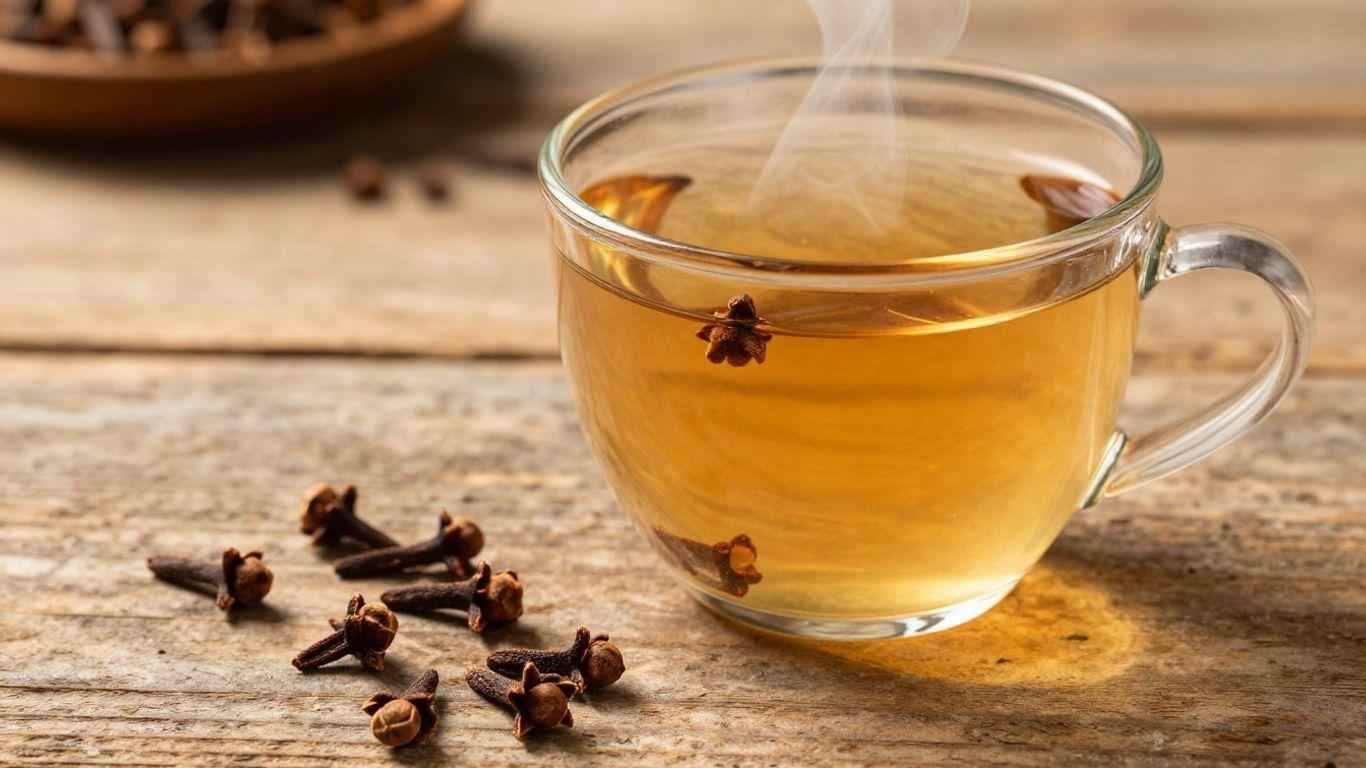
Method 1: Prepare a Simple Clove Tea
Clove tea is a popular way to enjoy the spice’s warming flavor.
Ingredients:
- 2–3 whole cloves
- 1 cup of water
- Optional ginger slice or lemon
Preparation: Bring the water to a gentle simmer and add the cloves. Let them steep for about five minutes, remove the cloves, and serve warm. This produces a lightly flavored drink.
Method 2: Add Cloves to Everyday Meals
Ground cloves can be added in small amounts to oatmeal, baked fruit, stews, rice dishes, and homemade sauces. Their naturally intense flavor means that only a pinch is usually necessary. Using cloves in cooking also avoids many of the potential risks associated with highly concentrated supplements.
Method 3: Combine Cloves With Ginger
Cloves and ginger are commonly paired in traditional beverages. Ginger contributes a warm, spicy flavor, while cloves provide a stronger aromatic note. To make a simple infusion, steep a small amount of both ingredients in hot water, then strain before drinking. This combination can be enjoyed as a flavorful beverage.
Method 4: Use Cloves in Warm Milk
A pinch of ground cloves can be stirred into warm milk or a suitable plant-based alternative. Cinnamon or cardamom may also be added for flavor. This is a convenient option for people who enjoy spiced evening beverages. Warm milk with cloves is a dietary choice, not a treatment for erectile dysfunction, low libido, or infertility.
How Many Cloves Should a Man Eat Daily?
Culinary amounts, such as a pinch of ground cloves in a meal or a few whole cloves used to flavor food, are generally different from medicinal doses.
The active compound concentrations in whole cloves, powders, extracts, and oils can vary substantially. Eating more cloves does not necessarily increase their benefits.
Excessive intake may cause digestive discomfort or increase exposure to eugenol, which can be harmful at high doses. For everyday use, moderation is better than trying to reach a therapeutic dose.
Men should avoid swallowing clove essential oil or taking large doses of concentrated clove preparations without qualified medical guidance.
Cloves for Testosterone: Can They Increase Male Hormone Levels?
Testosterone is frequently discussed alongside cloves because of the hormone’s role in male reproductive health. Healthy testosterone levels support sexual desire, sperm production, muscle maintenance, and normal physiological function.
Some animal experiments have investigated potential effects of clove preparations on reproductive hormones.
Men concerned about hormonal health should focus on factors with stronger evidence, including adequate sleep, regular physical activity, healthy weight management, and treatment of underlying medical conditions.
Persistent symptoms such as low libido, fatigue, or reduced morning erections may warrant medical evaluation.
Can Cloves Help Men Last Longer in Bed?
The claim that cloves can help men last longer during intercourse is frequently repeated in discussions about natural sexual remedies. However, ejaculation timing is influenced by sexual arousal, sensitivity, anxiety, relationship circumstances, and neurological factors.
No convincing human clinical evidence shows that eating cloves, chewing them, or drinking clove tea delays ejaculation. Some people discuss applying clove oil to the penis because eugenol has local anesthetic properties.
This practice is not recommended. Concentrated clove oil can irritate or burn sensitive genital skin and may affect a partner through contact.
Men experiencing premature ejaculation have access to better-studied approaches, including behavioral techniques, counseling when appropriate, and clinician-recommended treatments.

When Is the Best Time to Take Cloves for Men?
Some traditional routines suggest consuming cloves in the morning or before bedtime. Others recommend taking them before sexual activity. However, scientific research has not established a particular time of day when consuming cloves improves sexual function.
There is also no evidence-based interval for taking cloves before intercourse to enhance libido, erection quality, or endurance. If cloves are included in meals or beverages, timing can simply depend on personal preference and digestive tolerance.
Men who experience heartburn or stomach irritation after spicy foods may prefer smaller amounts with meals. Consistency in overall healthy habits is more important for sexual wellness than the timing of any individual spice.
Who Should Be Careful With Clove Supplements?
Some men may need additional precautions before using concentrated clove extracts. These include individuals who take blood-thinning medicines, use diabetes medication, have liver disease, experience allergies to clove-related compounds, or are preparing for surgery.
Men undergoing fertility treatment should also discuss herbal supplements with their clinician. This guidance applies especially to medicinal preparations, which may deliver substantially larger quantities of active compounds than ordinary cooking.
Cloves vs. Other Natural Foods for Men’s Sexual Health
Cloves are not the only plant food associated with men’s reproductive wellness. Several other ingredients are commonly discussed for their antioxidant content, nutritional value, or traditional uses.
| Food | Important Characteristics | Relationship to Male Sexual Health |
|---|---|---|
| Cloves | Eugenol and phenolic compounds | Preliminary research; direct sexual benefits unproven |
| Ginger | Gingerols and related compounds | Studied for metabolic and inflammatory effects |
| Garlic | Organosulfur compounds | May contribute to cardiovascular-friendly dietary patterns |
| Watermelon | Contains citrulline | Citrulline participates in pathways related to nitric oxide production |
| Pomegranate | Contains polyphenols | Investigated for antioxidant and vascular effects |
| Pumpkin Seeds | Provide zinc and magnesium | Nutrients contribute to normal reproductive function |
| Nuts | Unsaturated fats and micronutrients | Some human dietary research has examined semen parameters |
Healthy Habits That May Improve Male Sexual Health
While interest in cloves is understandable, broader lifestyle factors have stronger evidence for supporting sexual and reproductive function.
- Stay Physically Active: Regular exercise promotes cardiovascular fitness, circulation, metabolic health, and physical endurance.
- Prioritize Quality Sleep: Adequate sleep supports hormonal regulation, mood, energy, and overall physical recovery.
- Support Cardiovascular Health: Managing blood pressure, cholesterol, and blood sugar helps protect vascular function, which is important for erections.
- Manage Stress: Relaxation techniques, counseling, and healthy communication can improve emotional well-being and reduce performance-related anxiety.
- Eat a Nutrient-Rich Diet: Include vegetables, fruits, lean proteins, whole grains, and healthy fats to support normal physiological function.
Common Myths About Cloves and Male Sexual Performance
Final Verdict: Are Cloves Worth Including in a Men’s Wellness Routine?
Cloves are a flavorful spice containing eugenol and other plant compounds with interesting antioxidant and biological properties. Their traditional association with vitality and sexual wellness has encouraged scientific investigation, particularly in laboratory and animal studies.
Although preliminary findings suggest potential connections to reproductive health, there is not enough human clinical evidence to conclude that consuming cloves improves sexual desire, erectile function, testosterone levels, sperm quality, or intercourse duration.
For most healthy adults, enjoying small culinary amounts of cloves can be part of a balanced diet. Clove tea, spiced meals, and other simple preparations offer convenient ways to incorporate their distinctive flavor.
The most meaningful approach to male sexual wellness combines nutritious eating, physical activity, adequate sleep, cardiovascular care, stress management, and appropriate medical guidance.
Bottom line: The potential benefits of cloves sexually for males are scientifically interesting, but cloves should be viewed as a culinary ingredient rather than a proven sexual enhancement remedy.
Sources
- National Library of Medicine (NIH). Clove (Syzygium aromaticum): A Precious Spice. Research covering the phytochemical composition, antioxidant properties, and biological activities of cloves. Available at: NIH – Clove Health Benefits and Research
- National Library of Medicine (PubMed). Studies on the Effect of Clove (Syzygium aromaticum) on Sexual Behavior of Normal Male Rats. Experimental research examining the potential aphrodisiac properties of clove extracts. Available at: PubMed – Cloves and Male Sexual Behavior
- National Center for Biotechnology Information (NCBI). Eugenol: Biological Activities, Antioxidant Properties, and Potential Health Applications. Scientific literature exploring the principal aromatic compound found in cloves. Available at: PubMed – Eugenol Research
- National Institutes of Health (NIH). Male Infertility and Oxidative Stress. Research examining oxidative damage, sperm quality, and the potential importance of antioxidant protection in male reproductive health. Available at: PubMed – Oxidative Stress and Male Fertility
- National Institute of Diabetes and Digestive and Kidney Diseases (NIDDK). Erectile Dysfunction (ED): Symptoms, Causes, Diagnosis, and Treatment. Medical information explaining the role of blood circulation, hormones, and general health in erectile function. Available at: NIDDK – Erectile Dysfunction
- National Institutes of Health (NIH). Office of Dietary Supplements: Dietary Supplements for Exercise and Athletic Performance. Evidence-based information on nutrition, physical performance, and supplement safety. Available at: NIH – Exercise and Athletic Performance
- National Library of Medicine (MedlinePlus). Erectile Dysfunction: Causes, Risk Factors, and Treatment Options. Consumer health information covering erectile problems and their relationship with cardiovascular and metabolic health. Available at: MedlinePlus – Erectile Dysfunction
About the Author


