Benefits of Vitamin E Sexually: Exploring Its Potential Effects on Libido, Fertility, Reproductive Health, Intimacy, Sexual Comfort, and Overall Wellness for Both Men and Women

Good nutrition helps create a foundation for a satisfying sex life. While no single nutrient controls desire, intimacy, or sexual performance, getting enough essential vitamins supports the body systems involved in reproductive health.
Vitamin E deserves attention because of its role in protecting cells and supporting normal body function. Researchers have also explored its potential in male fertility and vaginal comfort after menopause.
If you’re curious about the benefits of vitamin E sexually, the most useful approach is to understand what this nutrient contributes—and how those contributions fit into your overall wellness. Here’s a closer look at its potential benefits, the research behind them, and practical ways to include it in your routine.
What Is Vitamin E?
Vitamin E is an essential, fat-soluble nutrient your body needs for normal function normally. Because it is fat-soluble, it is absorbed alongside dietary fat and can be stored in the body.
It contributes to immune function and helps protect cells from everyday damage. You can obtain it through a variety of familiar foods, making it a practical part of a balanced eating pattern.
Its connection to reproductive wellness begins with these basic functions. Healthy cells provide the foundation for normal body processes, including those involved in reproduction.
How Does It Support the Body?
One of its main jobs is antioxidant protection. During normal metabolism, the body produces unstable molecules called free radicals. Environmental exposures can also contribute to their production.
When free radicals exceed the body’s protective capacity, oxidative stress can develop. Antioxidant defenses help maintain balance and protect vulnerable cell structures.
This protective activity explains why researchers have investigated possible reproductive benefits. The distinction is that supporting a normal biological process does not necessarily mean that taking extra amounts improves sexual performance. Its value starts with helping the body meet its everyday nutritional needs.
Exploring the Benefits of Vitamin E Sexually
1. Contributes to Antioxidant Protection
Vitamin E helps protect cell membranes from oxidative damage. Cell membranes form the outer boundary of cells and help them function normally.
This role matters for reproductive health because reproductive cells also depend on intact structures. It provides a scientific basis for studying vitamin E in this area.
For readers interested in sexual wellness, the practical takeaway is to maintain adequate intake as part of a varied diet. This supports normal nutritional function without assuming that larger amounts provide stronger effects.
2. Has a Role in Male Fertility Research
Male fertility is one of the most widely studied areas involving vitamin E and reproductive health.
Researchers have investigated antioxidant supplementation because oxidative stress can affect sperm. Some studies have explored whether supplements influence sperm movement, concentration, or other semen measurements.
These findings are useful for directing future research, but fertility involves more than a laboratory result. The outcomes that matter most to couples include pregnancy and having a healthy baby.
The World Health Organization currently finds insufficient evidence to recommend for or against antioxidant supplements for men with infertility and abnormal semen parameters. Vitamin E may therefore be a topic to discuss during a fertility consultation, rather than a universal fertility recommendation.
3. May Support Vaginal Comfort in Certain Preparations
Another promising area involves vaginal vitamin E preparations for postmenopausal women.
After menopause, changes in vaginal tissue can make intimacy less comfortable. Researchers have explored local treatments intended to address these symptoms.
In one randomized trial, women using vitamin E vaginal suppositories and women using an estrogen vaginal cream both experienced improvements in sexual function scores over 12 weeks. The study found no statistically significant difference between the groups.
This is an encouraging research direction, although it does not establish that the treatments are equivalent. It also applies to a specific vaginal preparation, rather than ordinary oral supplements.
If dryness affects intimacy, a clinician can help you choose a product and treatment approach appropriate for your symptoms.
4. Helps Meet Nutritional Needs Relevant to Overall Wellness
Sexual wellness is part of overall health. Meeting essential nutrient needs gives your body the resources it needs for function normally.
Vitamin E contributes to that foundation through its established roles in cellular protection and immune function. Its nutritional importance stands independently of whether supplements improve a particular sexual symptom.
This makes a balanced diet a useful starting point. Rather than looking for one food or capsule to change your sex life, focus on a consistent eating pattern that supports your broader health.
Food Sources of Vitamin E
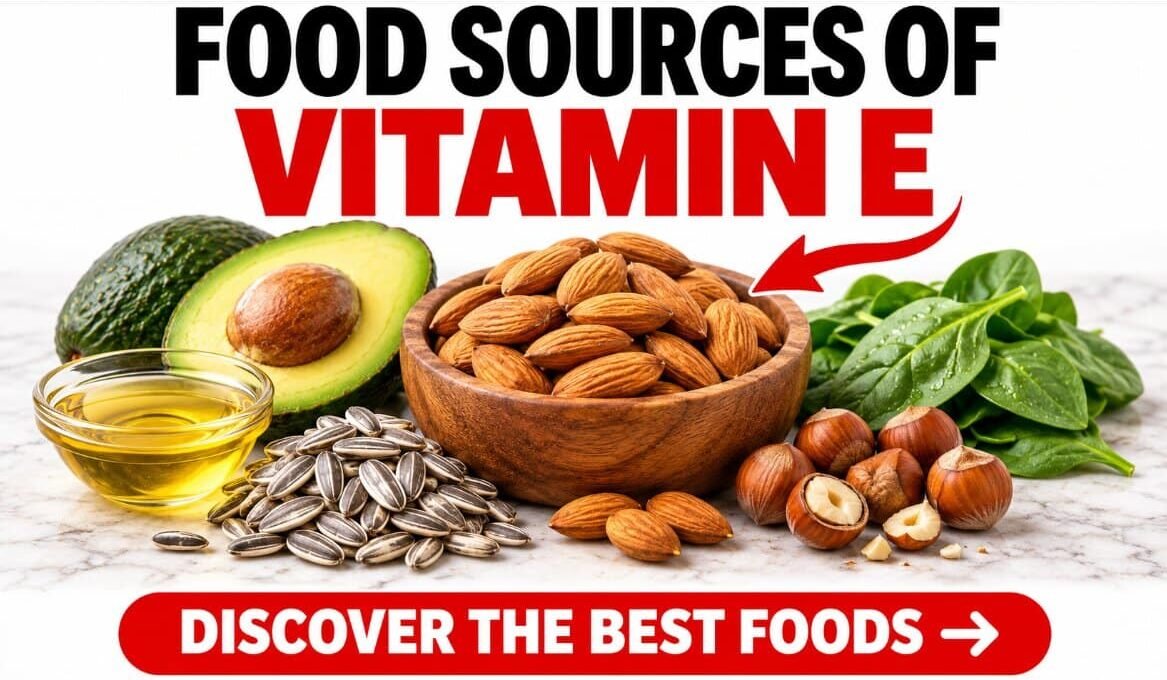
One of the easiest ways to include vitamin E in your routine is through everyday meals. Nuts, seeds, certain plant oils, and vegetables offer practical options.
| Food | Simple ways to enjoy it |
| Almonds | Add to oatmeal or enjoy as a snack |
| Sunflower seeds | Sprinkle over salads or yogurt |
| Hazelnuts | Combine with fruit for a snack |
| Spinach | Include in omelets, soups, or salads |
| Broccoli | Serve steamed or roasted with meals |
| Sunflower oil | Use in suitable recipes or dressings |
Some fortified cereals also provide vitamin E. Check the nutrition label to compare products. You do not need a complicated meal plan. Small, consistent additions can help you build a more varied diet.
For example, breakfast might include oatmeal with almonds, while lunch features a spinach salad topped with sunflower seeds. These choices contribute to overall nutrition without requiring foods to function as sexual enhancers.
Vitamin E and Libido: Understanding the Connection
Libido refers to your interest in sexual activity. It is distinct from fertility, physical arousal, and sexual comfort.
Someone may feel a strong desire but experience discomfort during sex. Another person may have no physical difficulty with intimacy but notice less interest than usual. Understanding the difference helps you choose a useful next step.
Vitamin E is important for overall health, but it has not been shown to directly boost libido. Its potential contribution is best understood within a broader approach to nutrition and reproductive wellness.
When reading about the sexual benefits of vitamin E, look closely at the outcome being discussed. Research on sperm health or vaginal comfort should not automatically be interpreted as evidence of increased desire.
Vitamin E and Sexual Performance
Sexual performance is a broad term that can include erections, comfort, stamina, and confidence. Each concern may have different contributing factors.
Vitamin E’s antioxidant role has attracted scientific interest, but oral supplementation is not an established stand-alone treatment for erectile dysfunction.
For persistent erection difficulties, identifying the underlying cause provides a clearer route to improvement. Treatment can include lifestyle changes, counseling, prescription medicines, or other approaches selected for the individual.
Good nutrition can remain part of that plan. It works best alongside care directed at the specific concern.
How Much Vitamin E Do Adults Need?
Most adults need 15 milligrams of vitamin E daily. Breastfeeding adults need 19 milligrams per day. These recommendations address normal nutritional requirements.
There is no established separate dose for improving libido or sexual performance. Your individual supplement needs depend on factors such as your diet, medical history, and nutrient absorption.
If you already take a multivitamin, review its label before adding another product. A healthcare professional can help determine whether supplementation serves a specific nutritional purpose.
Making Nutrition Part of Your Sexual Wellness Routine
A useful routine combines everyday habits with attention to your individual concerns.
Start With Consistent Meals
Aim for variety across vegetables, fruits, whole grains, protein foods, nuts, and seeds. Including vitamin E sources within this pattern makes nutrition easier to sustain.
Make Time for Movement
Regular physical activity supports overall health and can be part of improving erectile function. Choose an activity you can maintain, whether that means walking, cycling, swimming, or another enjoyable form of exercise.
Be Specific About Your Goals
“Better sexual health” can mean different things. You may want greater comfort, support with conception, or help with erection difficulties. Naming the concern makes it easier to find relevant advice and assess whether a treatment is helping.
Seek Personalized Guidance When Needed
Persistent changes deserve a conversation with a qualified healthcare professional. Bring a list of your medications and supplements, and describe when the symptoms began.
If you are considering vitamin E supplements, discuss the dose and any medication interactions first, particularly if you use blood-thinning medicines.
Final Verdict
Vitamin E plays an important role in protecting cells and supporting overall health, making adequate intake a valuable part of reproductive wellness.
Research exploring male fertility and vaginal comfort after menopause offers encouraging possibilities, although benefits depend on the preparation and individual circumstances.
Vitamin E is not an established treatment for low libido, erectile dysfunction, or low testosterone. For most people, including almonds, sunflower seeds, and leafy greens in a balanced diet is a practical starting point.
If you have ongoing sexual health concerns or are considering supplements, professional guidance can help you make informed choices suited to your needs.
About the Author


