
 Disclaimer | Fact Check | Research-Based
Can osteoporosis bone pain relief supplements support stronger bones? Nutrients like calcium, vitamin D, magnesium, and vitamin K help maintain bone strength, muscle function, and skeletal health.
Discover 10 essential nutrients for osteoporosis, their benefits, potential side effects, and practical ways to support bone health, manage discomfort, and maintain mobility.
Living with osteoporosis can feel unsettling, especially when ordinary activities such as bending, lifting groceries, or walking longer distances become a source of worry. For people who have already experienced a fracture, persistent back pain and reduced mobility can make everyday life even more challenging.
It’s natural to look for ways to strengthen fragile bones, improve physical comfort, and maintain independence. One popular area of interest is osteoporosis bone pain relief supplements.
Calcium and vitamin D are familiar names in bone health, but other nutrients—including magnesium, vitamin K, protein, and collagen—also play roles in maintaining the body’s skeletal structure.
Still, there’s an important question: Can supplements actually relieve osteoporosis-related pain, or are they primarily intended to support bone strength?
The answer depends on the underlying cause of discomfort, nutritional status, and whether a person has experienced a fracture.
Osteoporosis itself generally does not cause pain until a bone breaks. Supplements may help address nutritional deficiencies and support long-term bone health, but they do not provide immediate relief from a painful fracture or replace osteoporosis treatment.
This comprehensive guide explores the nutrients most relevant to osteoporosis, how to choose suitable supplements, what research reveals, and the safest ways to support stronger bones and better everyday comfort.
What Are Osteoporosis Bone Pain Relief Supplements?
Osteoporosis bone pain relief supplements are nutritional products intended to provide vitamins, minerals, proteins, or other compounds involved in maintaining bone health.
They are commonly available as capsules, tablets, powders, softgels, and liquid formulations. These products may contain calcium, vitamin D3, magnesium, vitamin K2, collagen peptides, and additional bone-supporting nutrients.
Unlike prescription osteoporosis medications, dietary supplements are not proven treatments for preventing fractures in every patient. Their primary role is to help meet nutritional needs and correct deficiencies.
They are commonly considered for:
- Supporting normal bone mineralization
- Maintaining adequate calcium and vitamin D intake
- Supporting muscle function and mobility
- Addressing diagnosed nutritional deficiencies
- Complementing osteoporosis treatment
- Maintaining healthy skeletal structure
- Supporting general nutrition during aging
- Helping meet increased nutritional needs
For people diagnosed with osteoporosis, supplements are usually most helpful as part of a broader treatment plan involving appropriate medication, exercise, fall prevention, and medical monitoring.

Do Osteoporosis Bone Pain Relief Supplements Really Work?
Osteoporosis supplements can be valuable for maintaining adequate nutrient intake and supporting normal bone function, particularly when a person has a dietary deficiency.
Calcium provides an essential mineral component of bone tissue. Vitamin D supports calcium absorption, while magnesium and other nutrients contribute to normal physiological processes involved in skeletal health.
These are genuine biological functions, but their benefits should not be confused with direct pain relief. No dietary supplement has been proven to rapidly relieve pain caused by an osteoporotic vertebral or hip fracture.
Someone experiencing back pain from a spinal compression fracture needs appropriate medical assessment and pain management rather than nutritional supplementation alone.
For long-term bone health, calcium and vitamin D remain important when dietary intake or vitamin D status is inadequate. A 2026 systematic review in The BMJ found little to no overall fracture-prevention benefit from routine calcium, vitamin D, or combined supplementation in adults not receiving osteoporosis medication. This highlights why supplementation should be individualized rather than automatically recommended to everyone.
For people who already have osteoporosis, especially those receiving prescription treatment, ensuring adequate nutrition remains an important part of comprehensive care.
Understanding Osteoporosis and Why Bone Pain Occurs
Osteoporosis is a skeletal condition characterized by reduced bone strength and increased susceptibility to fractures. Healthy bone is living tissue that continually undergoes remodeling. During this process, older bone is removed, and new bone is formed.
As people age, bone breakdown may begin to exceed new bone formation. Over time, this imbalance can reduce bone mineral density and compromise skeletal strength.
Why Osteoporosis Is Often Called a Silent Disease
Unlike arthritis or many muscular conditions, osteoporosis generally develops without noticeable symptoms. A person may lose significant bone density without experiencing pain, stiffness, or visible changes. The first recognizable sign may be a fracture following a relatively minor fall or everyday movement.
Common Areas Affected by Osteoporosis

Spine
Vertebral compression fractures can cause sudden back pain, loss of height, and changes in posture.
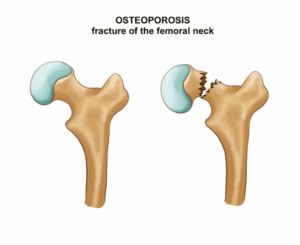
Hip
Hip fractures can cause severe pain, difficulty standing, and reduced mobility, often requiring surgery and rehabilitation.

Wrist
Wrist fractures commonly occur when someone tries to break a fall with an outstretched hand.
Can Osteoporosis Cause Chronic Back Pain?
Yes, particularly when vertebral compression fractures have occurred. A fractured vertebra may lose height and change the spine’s alignment. This can cause localized pain and increase strain on nearby muscles and joints.
Multiple fractures may contribute to a forward-curving posture, persistent discomfort, and reduced physical function. Other causes of back pain—including arthritis, muscle strain, nerve compression, and degenerative spinal conditions—can also occur in people with osteoporosis.
That is why pain should not automatically be attributed to low bone density without appropriate assessment.
10 Key Nutrients in Osteoporosis Bone Health Supplements
The most useful supplement depends on an individual’s diet, medical conditions, and treatment needs. Some nutrients have established roles in bone health, while others have promising but less certain evidence.
1. Calcium – Essential for Bone Strength
Calcium is the most abundant mineral in the body, with approximately 99% stored in bones and teeth. It contributes to the mineral structure that gives bones their hardness and strength. When calcium intake is insufficient, the body may draw on calcium stored in the skeleton to maintain normal blood calcium levels.
Potential benefits:
- Supports normal bone mineralization
- Helps maintain skeletal strength
- Contributes to normal muscle contraction
- Supports healthy nerve communication
Calcium supplements are particularly relevant for individuals who cannot meet their nutritional needs through food alone.
Common forms include calcium carbonate and calcium citrate. Calcium carbonate is generally taken with food, while calcium citrate depends less on stomach acid and may be suitable for people taking acid-reducing medication.
2. Vitamin D3 – Supports Calcium Absorption
Vitamin D helps the intestines absorb calcium and supports normal bone mineralization. Insufficient vitamin D may contribute to impaired bone health and, when severe, osteomalacia—a condition that can cause bone pain and muscle weakness.
Vitamin D3, also known as cholecalciferol, is commonly included in bone health supplements.
Potential benefits:
- Supports normal calcium absorption
- Helps maintain healthy bone mineralization
- Contributes to muscle function
- Helps correct vitamin D deficiency when appropriately supplemented
Correcting a vitamin D deficiency may improve symptoms caused by that deficiency. It does not necessarily resolve pain arising from osteoporosis-related fractures.
3. Magnesium – Supports Bone and Muscle Function
Magnesium is involved in normal muscle and nerve function, energy metabolism, and bone physiology. A meaningful portion of the body’s magnesium is stored in bone tissue. Magnesium also participates in processes involved in vitamin D metabolism.
Potential benefits:
- Supports normal muscular function
- Contributes to healthy nerve signaling
- Helps maintain adequate mineral nutrition
- Supports normal cellular energy production
People with inadequate magnesium intake may benefit from dietary improvements or appropriate supplementation. Taking additional magnesium beyond nutritional needs has not been established as a treatment for osteoporosis pain.
4. Vitamin K2 – Involved in Bone Protein Function
Vitamin K is required to activate proteins involved in normal blood clotting and bone metabolism. One such protein, osteocalcin, is involved in bone mineralization. Vitamin K2 is frequently included in combination bone supplements alongside calcium and vitamin D3.
Potential benefits:
- Supports normal activation of vitamin K-dependent proteins
- Contributes to normal bone metabolism
- Helps maintain adequate vitamin K nutritional status
Research has not conclusively established that adding vitamin K2 to an otherwise adequate diet prevents osteoporotic fractures or relieves bone pain. People taking warfarin or similar vitamin K-antagonist medications should not begin vitamin K supplements without medical guidance.
5. Collagen Peptides – Support the Bone Matrix
Collagen is an important structural protein that forms part of the organic framework of bone tissue. This framework helps support the mineralized structure of bones. Collagen peptides are commonly produced of breaking down animal-derived collagen into smaller protein fragments.
Potential benefits:
- Provide protein components used by the body
- Contribute to overall dietary protein intake
- May support certain measures of bone metabolism
- Can complement adequate protein nutrition
A 2026 review found some promising results from collagen supplementation studies, particularly among postmenopausal women. Findings were not consistent enough to establish collagen as a replacement for standard osteoporosis treatment or as a reliable pain reliever.
6. Vitamin C – Important for Collagen Formation
Vitamin C is needed for the body’s normal production of collagen. Because collagen contributes to the structural framework of bone, vitamin C plays an indirect role in skeletal maintenance. Vitamin C also functions as an antioxidant.
Potential benefits:
- Supports normal collagen synthesis
- Contributes to connective tissue formation
- Helps maintain adequate vitamin C nutrition
- Supports normal tissue repair processes
Most people can obtain sufficient vitamin C through fruits and vegetables. High-dose vitamin C supplements have not been established as effective treatments for osteoporosis-related pain.
7. Protein – Supports Muscles and Bone Maintenance
Adequate protein intake is important for maintaining muscle mass, physical strength, and general skeletal health. Protein also contributes to the organic matrix of bone. Older adults with low dietary intake may find protein-rich foods or supplements useful for meeting nutritional needs.
Potential benefits:
- Supports the maintenance of muscle mass
- Contributes to normal tissue repair
- Helps support strength during aging
- Complements physical rehabilitation
Protein can be especially important following a fracture, when adequate nutrition supports healing and rehabilitation. People with kidney disease may require individualized protein recommendations.
8. Zinc – Supports Normal Bone Development
Zinc is an essential trace mineral involved in enzyme function, protein synthesis, and cellular growth. It contributes to normal development and tissue maintenance.
Potential benefits:
- Supports normal cellular repair
- Contributes to protein synthesis
- Supports adequate trace mineral nutrition
- Helps maintain normal physiological functions
Zinc supplementation is most relevant when intake is inadequate, or deficiency is identified. Excessive zinc intake can interfere with copper absorption and cause other adverse effects.
9. Boron – A Trace Element of Research Interest
Boron occurs naturally in foods such as fruits, nuts, legumes, and vegetables. It has been investigated for possible relationships with mineral metabolism and bone physiology.
Potential benefits under investigation:
- Potential involvement in mineral regulation
- Possible interactions with vitamin D metabolism
- Contribution to overall dietary trace element intake
Boron is not established as an essential nutrient for humans, and clinical evidence is insufficient to recommend boron supplements for osteoporosis pain relief or fracture prevention.
10. Phosphorus – Part of Bone Mineral Structure
Phosphorus is a major component of the mineral structure of bones and teeth. It works alongside calcium to form hydroxyapatite, the mineral that helps provide skeletal strength.
Potential benefits:
- Supports normal skeletal mineralization
- Contributes to cellular energy metabolism
- Helps maintain normal bone structure
- Supports general physiological function
Most adults already consume adequate phosphorus through everyday foods. Routine phosphorus supplementation is rarely necessary for osteoporosis and can be inappropriate for people with kidney disease.

How Do Osteoporosis Supplements Support Bone Health?
Bone is a dynamic tissue that constantly undergoes renewal. Specialized cells called osteoclasts break down older bone, while osteoblasts produce new bone tissue.
In healthy adults, these processes remain relatively balanced. With osteoporosis, bone loss can outpace bone formation. Nutritional support contributes to this process through several pathways.
Supporting Bone Mineralization
Calcium and phosphorus provide the mineral components needed to maintain normal bone structure. Vitamin D helps ensure sufficient calcium is absorbed from the intestines.
Maintaining the Bone Matrix
Collagen and other proteins form a framework within bone that supports mineral deposition. Adequate protein and vitamin C intake contribute to normal tissue maintenance.
Supporting Muscle Strength
Healthy muscles provide support around bones and joints and are essential for balance and movement. Protein, magnesium, and vitamin D contribute to physiological processes relevant to muscular health.
Helping Address Nutrient Deficiencies
Correcting genuine nutritional deficiencies can improve overall skeletal health and may relieve symptoms specifically caused by those deficiencies. These benefits are generally gradual. Nutritional supplementation does not function like a fast-acting pain medication.
Calcium and Vitamin D: How Much Do You Need?
Calcium and vitamin D are among the most important nutrients to evaluate in people with osteoporosis. The following values describe total daily intake from food and supplements, not the amount everyone needs to take as pills.
Recommended Daily Calcium Intake
| Age and Group | Daily Calcium |
|---|---|
| Adults 19–50 | 1,000 mg |
| Men 51–70 | 1,000 mg |
| Women 51–70 | 1,200 mg |
| Adults 71 and older | 1,200 mg |
Recommended Daily Vitamin D Intake
| Age | General Dietary Recommendation |
|---|---|
| Adults 19–70 | 600 IU (15 mcg) |
| Adults 71 and older | 800 IU (20 mcg) |
Sources: NIH Office of Dietary Supplements and National Institute of Arthritis and Musculoskeletal and Skin Diseases.
For many adults aged 50 and older with osteoporosis, the Bone Health & Osteoporosis Foundation recommends approximately 800–1,000 IU of vitamin D daily, depending on individual needs.
These recommendations should be personalized for people with kidney disease, malabsorption, hypercalcemia, kidney stones, or other relevant medical conditions.
Calcium Carbonate vs. Calcium Citrate: Which Is Better?
Two of the most widely available calcium supplements are calcium carbonate and calcium citrate. Both can contribute to adequate calcium intake when used appropriately.
| Feature | Calcium Carbonate | Calcium Citrate |
|---|---|---|
| Elemental calcium | About 40% | About 21% |
| Best taken | With food | With or without food |
| Stomach acid dependence | Higher | Lower |
| Tablet quantity | Often fewer | Often more |
| Common concern | Gas or constipation | Can still cause digestive effects |
| Suitable for low stomach acid | Less convenient | Often preferred |
Calcium is generally absorbed more efficiently when individual supplement doses contain 500 mg or less of elemental calcium.
For example, someone who needs 600 mg of supplemental calcium per day may be advised to divide it into two smaller doses rather than take the entire amount at once.
Always check the elemental calcium amount on the Supplement Facts label.
Can Supplements Relieve Osteoporosis Back Pain?
Back pain is one of the most concerning symptoms for people with osteoporosis because it can indicate a vertebral compression fracture. These fractures occur when weakened spinal bones partially collapse. Symptoms may include sudden pain, difficulty bending, a change in posture, or discomfort that worsens while standing.
What Supplements Can Do
Adequate calcium, vitamin D, and protein intake can support nutritional needs during fracture recovery and ongoing osteoporosis treatment. Correcting vitamin D deficiency may also help when deficiency-related osteomalacia contributes to bone pain.
What Supplements Cannot Do
Dietary supplements cannot rapidly stabilize a fractured vertebra, correct a spinal deformity, or reliably relieve pain caused by structural damage. A person with new or worsening back pain and known osteoporosis may need examination and imaging.
What Treatments May Help?
Depending on the diagnosis, clinicians may recommend appropriate pain medication, temporary support, activity modification, and supervised rehabilitation. Certain prescription treatments may also have roles in selected cases of painful vertebral fractures.
Clinical guidance supports rehabilitation and individualized medical management for symptomatic osteoporotic spinal fractures.
Prescription Osteoporosis Treatments vs. Bone Health Supplements
Nutritional supplements and osteoporosis medications have different purposes.
| Feature | Bone Health Supplements | Prescription Osteoporosis Treatments |
|---|---|---|
| Main purpose | Address nutritional needs | Reduce bone loss or stimulate bone formation |
| Examples | Calcium, vitamin D, magnesium | Bisphosphonates, denosumab, teriparatide |
| Fracture prevention | Depends on deficiency and circumstances | Demonstrated for appropriate treatments |
| Direct pain relief | Generally not established | Some agents may help in selected fracture situations |
| Corrects nutrient deficiency | Yes, when appropriately chosen | Not their main role |
| Medical assessment | Recommended | Required |
| Replaces other treatment | No | Part of a comprehensive care plan |
Prescription medications are often necessary for people with osteoporosis who have a substantial fracture risk. The appropriate medication depends on age, fracture history, bone density, kidney function, other medical conditions, and treatment goals.
Stopping certain medications, particularly denosumab, without a coordinated treatment plan can increase the risk of vertebral fractures.
Foods That Naturally Support Stronger Bones
Supplements are not the only way to obtain important bone-supporting nutrients. A balanced diet can provide calcium, protein, magnesium, vitamin K, and other nutrients involved in skeletal health.
A food-first approach can make it easier to obtain nutrients alongside fiber, healthy fats, and other beneficial dietary components. For individuals with poor appetite, restrictive diets, or absorption problems, a dietitian can help identify practical ways to meet nutritional needs.
Natural Ways to Manage Osteoporosis-Related Discomfort
Supporting bone health involves more than taking supplements. Regular exercise, balanced nutrition, appropriate medical care, and healthy daily habits all help maintain skeletal strength. For readers interested in learning more about lifestyle-focused approaches, The Bone Density Solution offers an additional resource for exploring bone health strategies and their practical considerations.
1. Practice Appropriate Weight-Bearing Exercise
Walking and other weight-bearing activities can help maintain mobility and physical function. Exercise should be adapted for anyone with recent fractures, severe osteoporosis, or significant pain.
2. Build Muscle Strength
Progressive resistance training may support muscle strength, posture, and balance. People with vertebral fractures should work with a clinician or physical therapist to select safe movements.
3. Improve Posture and Movement Techniques
Learning safe lifting techniques and maintaining appropriate spinal alignment can reduce unnecessary strain. People at high vertebral fracture risk may need to avoid forceful or repetitive forward bending and twisting.
4. Reduce Fall Hazards
Remove loose rugs, improve household lighting, install grab bars when needed, and choose supportive footwear. Preventing falls is one of the most practical ways to reduce fracture risk.
5. Maintain Adequate Nutrition
Regular meals containing calcium-rich foods, protein, vegetables, and healthy fats support general health and recovery.
6. Avoid Smoking
Smoking is associated with adverse skeletal effects and can contribute to greater fracture risk.
7. Limit Alcohol Consumption
Excessive alcohol intake can negatively affect bone health and increase the likelihood of falls.
8. Follow Your Treatment Plan
Take prescribed osteoporosis medication as directed and attend recommended follow-up appointments. Routine monitoring helps determine whether treatment is maintaining or improving bone density.
Side Effects and Safety of Osteoporosis Supplements
Bone health supplements are not automatically risk-free, even when their ingredients occur naturally in food.
| Supplement | Possible Side Effects or Concerns |
|---|---|
| Calcium | Constipation, bloating, kidney stones with excessive intake |
| Vitamin D | High blood calcium and kidney complications with excessive dosing |
| Magnesium | Diarrhea, abdominal cramping; greater concern with kidney impairment |
| Vitamin K2 | Interference with warfarin |
| Collagen peptides | Digestive discomfort or ingredient allergies |
| Vitamin C | Diarrhea and gastrointestinal upset at high doses |
| Zinc | Nausea and copper deficiency with excessive long-term intake |
| Boron | Potential toxicity at excessive doses |
Important Medication Interactions
Calcium can interfere with the absorption of levothyroxine and certain antibiotics. Magnesium can interact with oral osteoporosis medications such as alendronate if taken too close together.
Vitamin K supplementation can interfere with warfarin’s anticoagulant effect. Vitamin D toxicity can cause elevated calcium levels and potentially serious kidney or cardiovascular complications.
For most adults, the usual tolerable upper intake limit for vitamin D is 4,000 IU daily unless higher doses are prescribed and monitored for a specific medical reason.
Who Should Consider Bone Health Supplements?
| May Benefit From Nutritional Assessment | Needs Individualized Medical Guidance |
|---|---|
| Adults with inadequate calcium intake | People with kidney stones |
| Individuals with vitamin D deficiency | People with chronic kidney disease |
| Older adults with restrictive diets | Individuals with elevated blood calcium |
| People experiencing malabsorption | People taking warfarin |
| Adults receiving osteoporosis treatment | People taking interacting medications |
| Individuals with low protein intake | Anyone with a new suspected fracture |
The decision to supplement should reflect nutritional needs, relevant laboratory findings, and personal risk factors.
How Long Do Osteoporosis Supplements Take to Work?
The timeframe depends on which nutrient is being taken and what outcome is being measured. Correcting a nutritional deficiency may take weeks or months, depending on its severity, the chosen dose, and absorption.
Changes in bone mineral density usually occur much more gradually. Bone density is often reassessed over a period of one to several years, depending on treatment and clinical circumstances.
Supplements should not be expected to produce noticeable pain relief within hours or days unless they are correcting a specific deficiency-related condition; even then, improvement may be gradual.
The effectiveness of an osteoporosis treatment plan is better assessed through fracture prevention, bone density monitoring, functional recovery, and medical follow-up than through whether a supplement immediately changes pain levels.
How to Choose the Best Osteoporosis Bone Pain Relief Supplements
When comparing bone health supplements, consider their ingredient combinations, nutritional benefits, dosage, and overall suitability for your needs. Exploring formulations such as OsteoShield can provide a practical example of what to evaluate when choosing a supplement intended to support bone strength, mineral balance, and long-term skeletal health.
1. Review Your Bone Health Assessment
If you have osteoporosis, discuss your bone density results, fracture history, and current treatment plan with your healthcare provider. A supplement that fits one person’s needs may be unnecessary or unsuitable for another.
2. Identify Nutritional Gaps
Consider how much calcium, vitamin D, protein, and other nutrients you already obtain through food. Supplementation is most useful when it addresses a genuine shortfall.
3. Check the Form and Dosage
Look for clear ingredient amounts, appropriate serving sizes, and practical daily instructions. Avoid assuming that larger doses produce better results.
4. Consider Medication Interactions
Calcium and magnesium supplements can interfere with the absorption of certain medications. For example, oral bisphosphonates used to treat osteoporosis generally require specific administration instructions and separation from mineral supplements.
5. Look for Independent Quality Testing
Independent verification programs such as USP or NSF may offer additional reassurance about product quality and ingredient consistency. Quality testing does not establish that a supplement treats osteoporosis pain.
6. Evaluate the Complete Formula
Combination products may be convenient, but they can also duplicate nutrients already present in your multivitamin or diet. Pay attention to total daily intake from all sources.
7. Choose Realistic Claims
Avoid products promising to rapidly rebuild fractured vertebrae, permanently eliminate osteoporosis, or reverse advanced bone loss within days. Effective osteoporosis management typically requires long-term monitoring and clinically appropriate treatment.

When Should You See a Doctor for Osteoporosis Bone Pain?
Persistent or unexplained pain deserves attention, especially when osteoporosis has already been diagnosed. Contact a healthcare professional if you experience new back pain, increasing difficulty standing upright, unexplained height loss, or pain that significantly limits movement.
Seek urgent assessment for sudden severe back pain following a minor fall, lifting activity, or even a simple movement, as a vertebral compression fracture may have occurred.
Emergency evaluation is important if severe back pain is accompanied by new leg weakness, loss of bladder or bowel control, or numbness around the groin. Do not attempt to manage a suspected fracture using supplements alone.
Final Verdict: Are Osteoporosis Bone Pain Relief Supplements Worth Taking?
Osteoporosis bone pain relief supplements can play a valuable supportive role in maintaining skeletal health, particularly for individuals who struggle to obtain sufficient calcium, vitamin D, or other essential nutrients from their diet.
Calcium and vitamin D remain important for normal bone mineralization, while magnesium, protein, vitamin K, and other nutrients contribute to processes involved in healthy skeletal function.
For people with established osteoporosis, appropriate supplementation may complement prescription treatment, exercise, fall prevention, and regular medical monitoring.
The most important consideration is understanding what supplements can realistically accomplish.
They can help meet nutritional requirements, support bone maintenance, and correct certain deficiencies. They cannot be relied upon to rapidly relieve fracture pain, repair damaged vertebrae, or replace clinically established osteoporosis treatments.
When pain is present, identifying its cause is essential.
The Bottom Line: Osteoporosis bone health supplements are worth considering when they address individual nutritional needs. The most effective long-term strategy combines adequate nutrition with appropriate medical treatment, safe physical activity, and fracture prevention.

Sources
- National Institutes of Health (NIH). Osteoporosis: Causes, Risk Factors, Symptoms, Bone Health, and Prevention. Available at: NIH – Osteoporosis
- National Institutes of Health (NIH). Calcium: Recommended Daily Intake, Bone Mineralization, Supplementation, and Safety. Available at: NIH – Calcium Fact Sheet
- Mayo Clinic. Osteoporosis: Symptoms, Causes, Fracture Risk, and Spine-Related Back Pain. Available at: Mayo Clinic – Osteoporosis
- PubMed. Calcium and Vitamin D Supplementation: Clinical Research on Bone Mineral Density and Fracture Prevention. Available at: PubMed – Calcium and Vitamin D Research
- Centers for Disease Control and Prevention (CDC). Bone Density (DEXA) Scans: Osteoporosis Screening, Risk Factors, and Bone Health Assessment. Available at: CDC – Bone Density Testing
- MedlinePlus. Osteoporosis: Diagnosis, Treatment, Bone Health, Nutritional Support, and Fracture Prevention. U.S. National Library of Medicine. Available at: MedlinePlus – Osteoporosis
About the Author


